From March 19 to 21, 2025, the College of Education successfully organized the "International Academic Exchange Week on Japanese Education Reform." The event featured Professor Toshiro Yokoi from the Graduate School of Education at Hokkaido University as the keynote speaker and Professor La Kaisheng, a senior scholar from Capital Normal University, as the discussant. Over 100 participants, including faculty members from the Institute of Educational Policy and Law, students, and scholars from universities in Beijing, engaged in the three-day program. The discussions centered on critical themes such as equity frameworks in Japan’s public education system, groundbreaking legislative practices to ensure educational access, technology-driven innovations under Japan’s "Society 5.0" strategy, and critical reflections on neoliberal policies in education marketization. These topics fostered in-depth dialogue between Chinese and Japanese scholars.
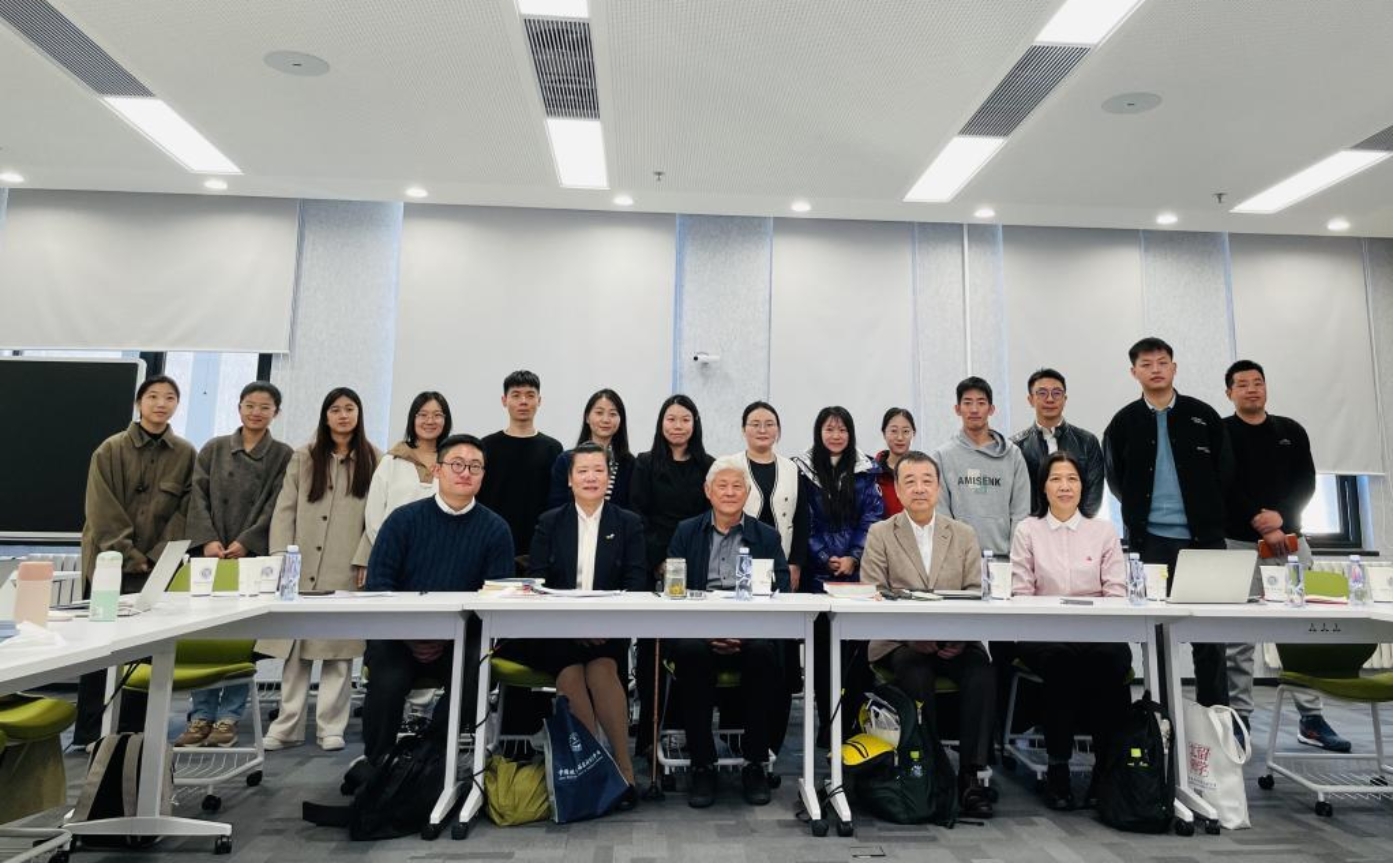
In the opening lecture on March 19, Professor Yokoi analyzed the legal foundations of Japan’s public education system under the theme "Basic Framework and Characteristics of Japan’s Public Education." Drawing on John Rawls’ theory of "formal equality" and Amartya Sen’s concept of "substantive equity," he highlighted Japan’s dual policy goals: resource equalization and compensatory measures for disparities. He explained mechanisms like the local allocation tax system and nationwide teacher deployment to address regional gaps, while critiquing structural flaws in the current system that overlook individual capabilities. This sparked reflections on the tension between procedural fairness and equitable outcomes in education.
On March 20, Professor Yokoi delved into "Legislative Innovation and Technology-Driven Transformation of Japan’s Public Education," focusing on the 2016 Law on Securing Educational Opportunities. He traced its roots to Article 26 of Japan’s Constitution, addressing systemic gaps in traditional compulsory education for marginalized groups such as out-of-school children, foreign nationals, and adult learners. By legitimizing night schools and removing age and nationality barriers, the law shifts educational provision from "equal coverage" to "targeted support." Discussions during the Q&A session explored public-private collaboration in education, rights protection for vulnerable groups, and shared challenges in advancing equity across East Asian societies.
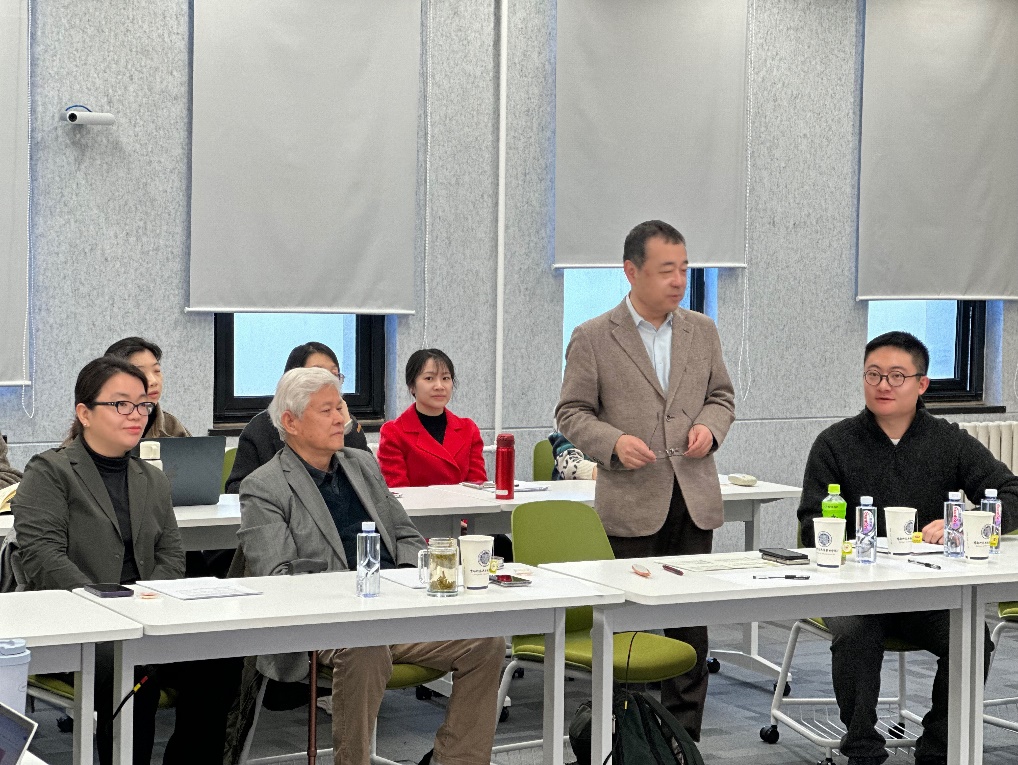
The afternoon workshop on March 20 examined "Japan’s Public Education Reform in the Era of Society 5.0 (Super Smart Society)." Professor Yokoi contrasted the Ministry of Education’s traditional policies with the EdTech-driven "Future Classroom" initiative led by the Ministry of Economy, Trade, and Industry. He analyzed how AI and big data redefine educational boundaries, acknowledging technology’s role in alleviating resource mismatches caused by Japan’s aging population while warning of risks like private-sector monopolies. Participants debated the balance between technological tools and educational values, the role of diverse institutions in collaborative governance, and the preservation of public education’s mission amid marketization trends.
The final lecture on March 21 addressed "Neoliberal Policies and Marketization in Japanese Education Reform." Professor Yokoi traced Japan’s post-1980s market-oriented reforms, critiquing policies such as school choice and standardized assessments for exacerbating inequality through resource stratification. He argued that neoliberalism’s "efficiency-first" logic conflicts with constitutional guarantees of equity, emphasizing that marketization widens educational disparities despite localized efficiency gains. The Q&A session further probed the roles of state and market in redefining public education.
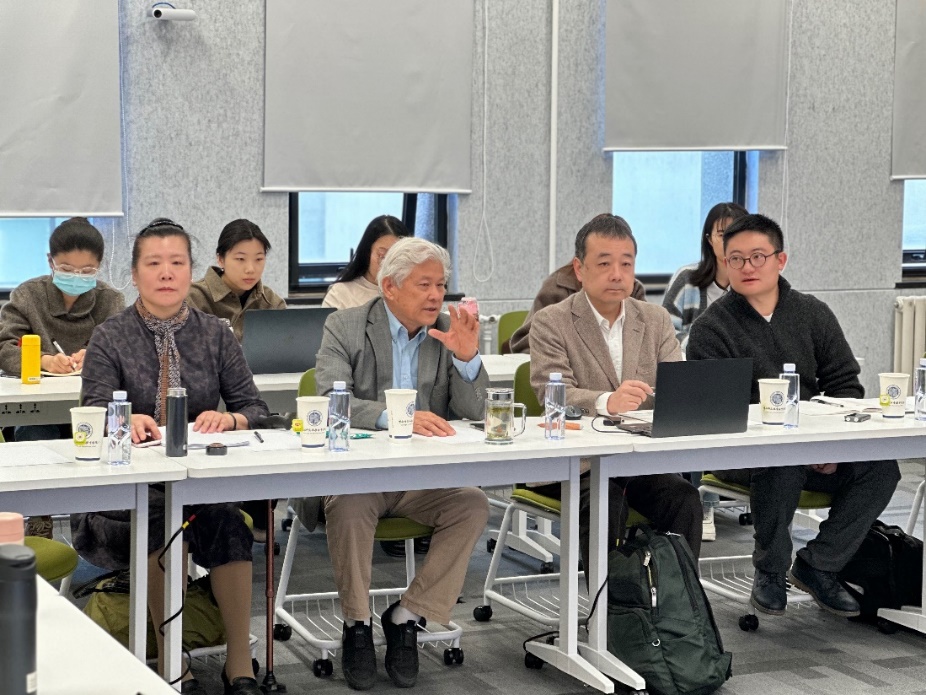
The three-day event concluded with closing remarks by Professor La Kaisheng, who commended the cross-border dialogue for its contributions to addressing global educational governance challenges. Professor Yokoi urged young scholars to ground their work in local contexts while fostering transnational collaboration to advance equity. By transcending traditional comparative frameworks and integrating technological ethics with educational philosophy, the exchange charted pathways to balance efficiency and equity in an era of rapid innovation. Moving forward, the College of Education aims to deepen international academic partnerships, leveraging critical insights to shape global educational governance with Chinese perspectives.
Contributed by: Lü Weiyan, Ma Xuanhao, Lü Yue
Reviewed by: Hu Wei, Wang Dong